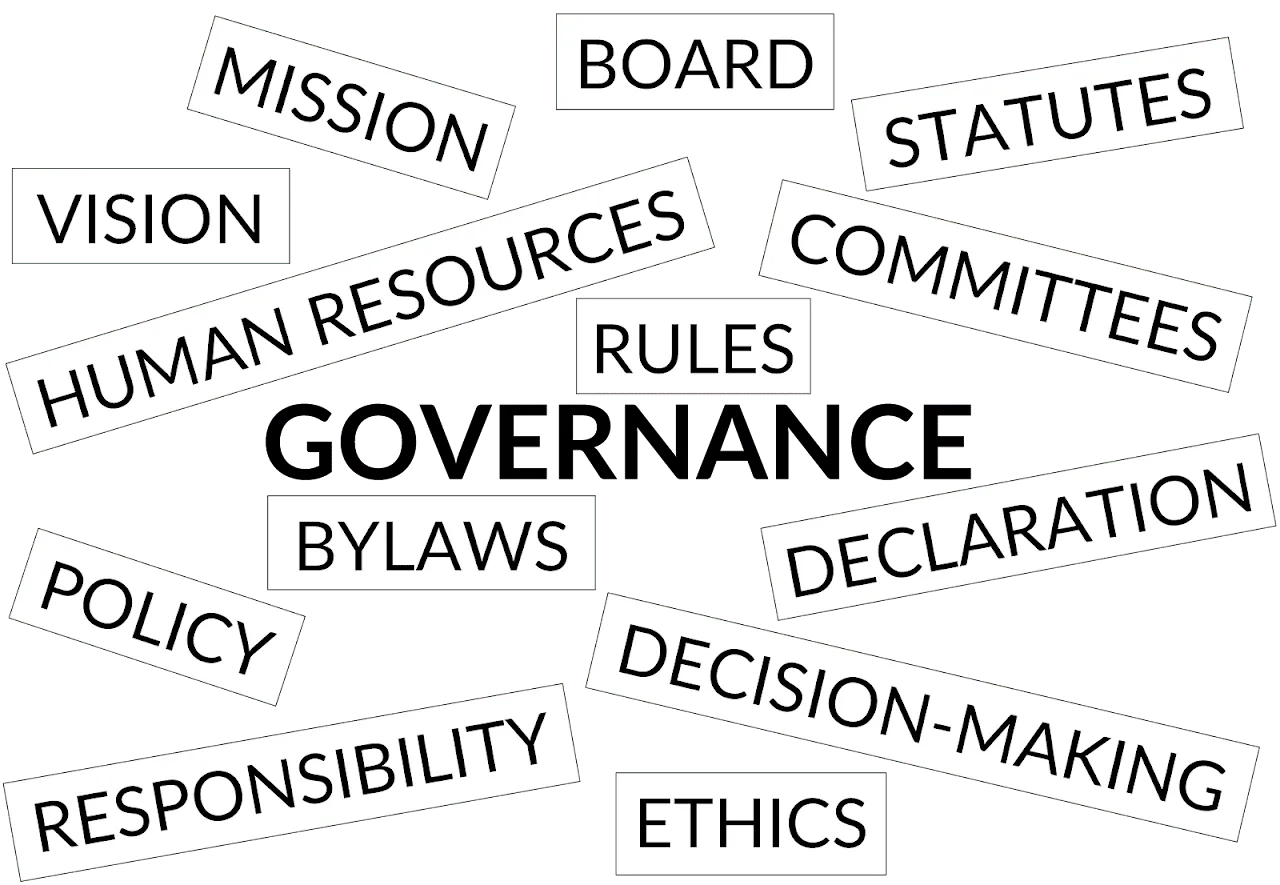
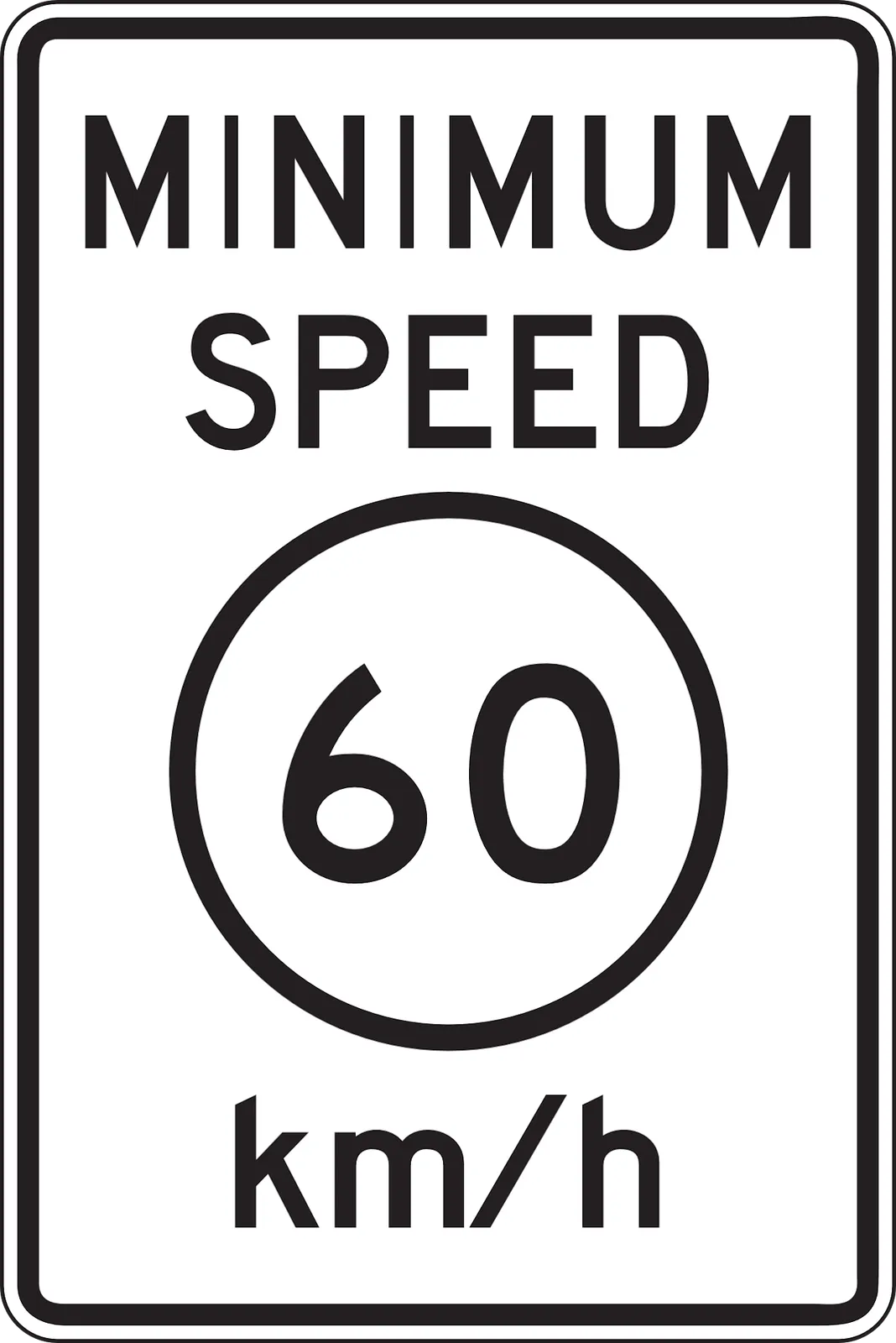
October 9, 2022 | By Steve Horvath
Check both ways before governing your common interest community and you’ll find it’s much more complex than starting the ignition. Don’t fall for the trap of adhering only to minimum requirements blessed by your attorney, advisor or manager. A rewarding and successful journey requires so much more than observing the speed limit and using your turn signal.
Full blog document
Have you noticed how much dialogue on forums like Reddit, HOATalk, the Exchange, etc. focuses on minimum standards instead of best practices? The average homeowner, volunteer director, community manager and yes, even the average attorney, spend so much time identifying requirements from statutes and governing documents that they fail to see the forest through the trees.
Whether your common interest community (CIC) is 4 members or 20,000+, operating with best practices in mind makes sense for every business. Yes, your CIC is a business whether or not it's formally structured as a nonprofit corporation. Are you treating your business like a hobby?
Does your community primarily operate by meeting the minimum legal and governance requirements? A few examples:
- We conduct 4 Board meetings a year and handle the rest of our governance by email between meetings.
- We do not provide our owners reasonable (or any) notice of Board meetings.
- We notice meetings with a physical sign and eschew electronic communication.
- We handle most of our business in closed executive sessions.
- We do not provide our members easy access to records.
- We do not form committees.
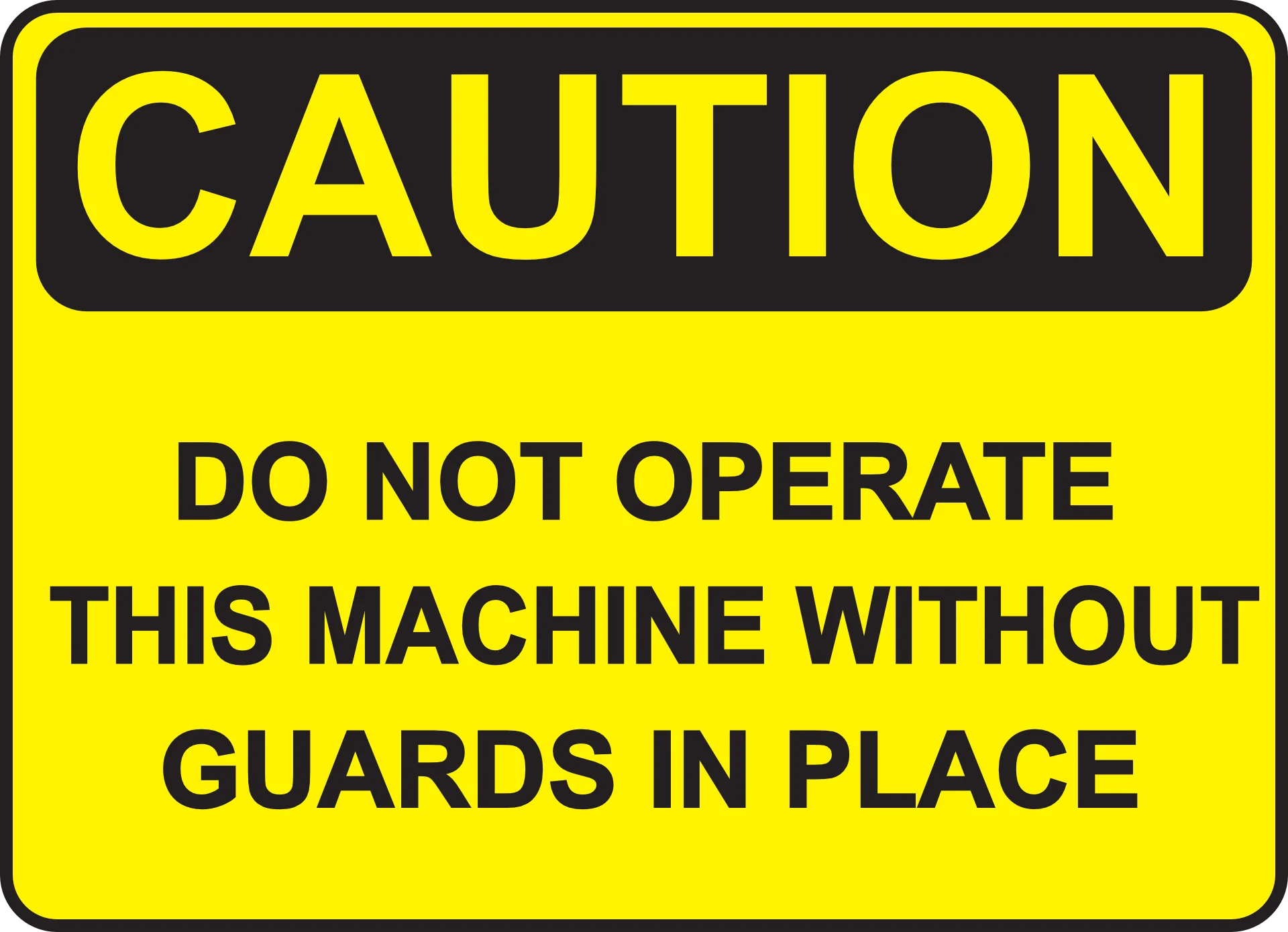
Every business from home-based sole proprietorships to gigantic multinational corporations thrives or fails based on developing governance and operations far surpassing rudimentary legalese. The “legal” answer in many situations is neither a recommendation, nor a best practice. Governors (volunteer directors / Board members) are charged with a duty of care or a fiduciary duty to their community and, in many cases, with what’s colloquially known as the business judgment rule. While observing ‘the basics’ in multiple circumstances promotes acting in good faith, with the care of an ordinarily prudent person and in the best interests of the organization, communities guided solely by what must be done are guaranteed to encounter mediocre performance and uninspired, unintentional outcomes because they miss what could or should be done.
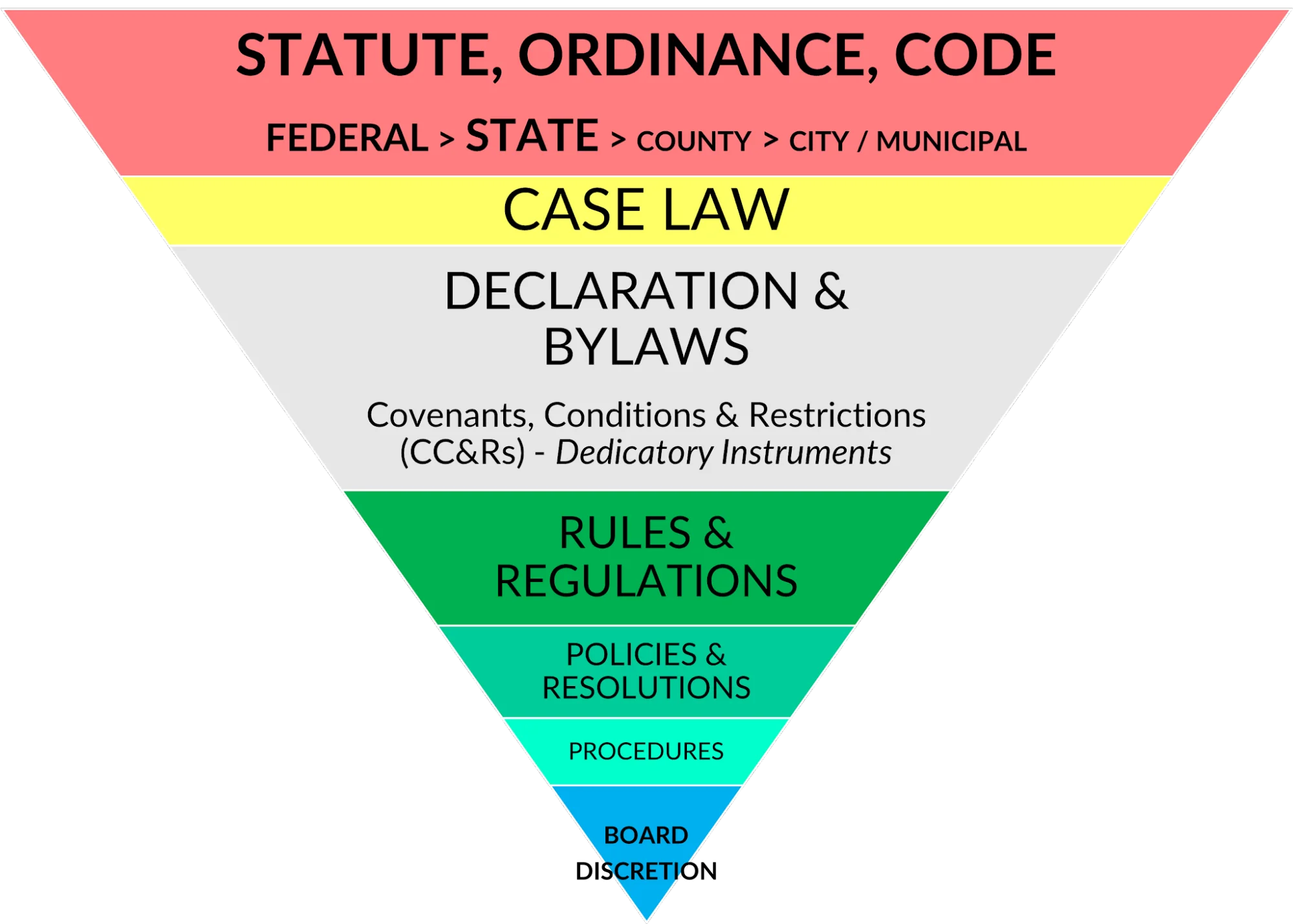
Minimums alone lead to lackluster outcomes because ‘the basics’ are intended to be the foundation of your community, not the whole of it. Statutes and the most fundamental governing documents like your declaration / CC&Rs and bylaws necessarily lack a comprehensive business plan. Just as you should not rely solely on ‘the basics,’ so too should you avoid creating so-called solutions by reading between the lines. It Doesn't Say We Can't Do It tells us that governing based on the absence of requirements is a path to regret. California comes the closest in terms of tax-code length legal requirements for exactly how to operate a common interest community, but even California statutes fall short of a plan for success.
Whether or not they align with statutes and written governance, your governors’ actions – or lack thereof – determine the path of your organization. How you get from ‘the basics’ to success is not prescribed. Discretion, despite its position at the bottom of the governance hierarchy, is hardly least important. Consider how your community meets the needs of your members: volunteerism, governance development, human resources, information technology, vendor selection and management, capital improvements, etc. All of the aforementioned items require Board engagement and discretion to move your organization forward.
The work product of your association's staff and third-party vendors (law firms, consultants, community association manager, etc.) is only as good as the direction, information (facts and context), conversations and questions you exchange. - Decision-Making 101
Our age of technology provides relatively easy access to information, resources, best practices and paths to avoid that have been sourced from millions of people facing similar challenges in CICs across the world. Does your community make the most of its access to information? Are you documenting outcomes over time and tracking successes and failures to learn from history? Does your community invest in its future by providing educational and networking opportunities to homeowners and volunteers? 77% of Education & Research Survey respondents conduct owner surveys less than once a year and 92% purchase education and/or training resources less than annually or never.
If you’ve enjoyed this article, check out The Ultimate CIC Challenge: Too Long, Didn't Read. TLDR (TL;DR) The End and Down to Earth: Omnipotent Boards & Unilateral Decision-Making
Maximize your Organization:
Go Beyond ‘the Basics’
Discretion Matters
Caution and Minimum Speed images by Clker Free Vector Images from Pixabay
Statutory & Governance Hierarchy image by Condo Connection