

April 11, 2022 | By Steve Horvath
Full blog document
A flummoxed reader (“Alex” for this article) posed two questions:
- Are Board members ‘personnel’?
- I’ve taken Board training classes, performed extensive research and worked diligently to benefit my association. How do I handle a situation where multiple Board members are content to create their own governance and ignore what’s in writing? These folks don’t want to follow the rules and now they’re attempting to sanction me and marginalize my voice.
PART ONE
First things first: volunteer Directors are not (except in the rarest of circumstances that warrant concern) CIC employees and, in most circumstances are also not CIC personnel. The definitions of these words are well understood and do apply to volunteer directors, committee members and/or to any owners or residents of the CIC except under specific circumstances. Third-party contractors may well be CIC personnel. CIC employees are definitely personnel. Please feel free to listen to this excerpt from Ken Harer at Condo Law Group.
Per·son·nel [ˌpərsəˈnel]
people employed in an organization or engaged in an organized undertaking such as military service
Em·ploy·ee [emˈploiē, emˌploiˈē]
a person employed for wages or salary, especially at nonexecutive level
PART TWO
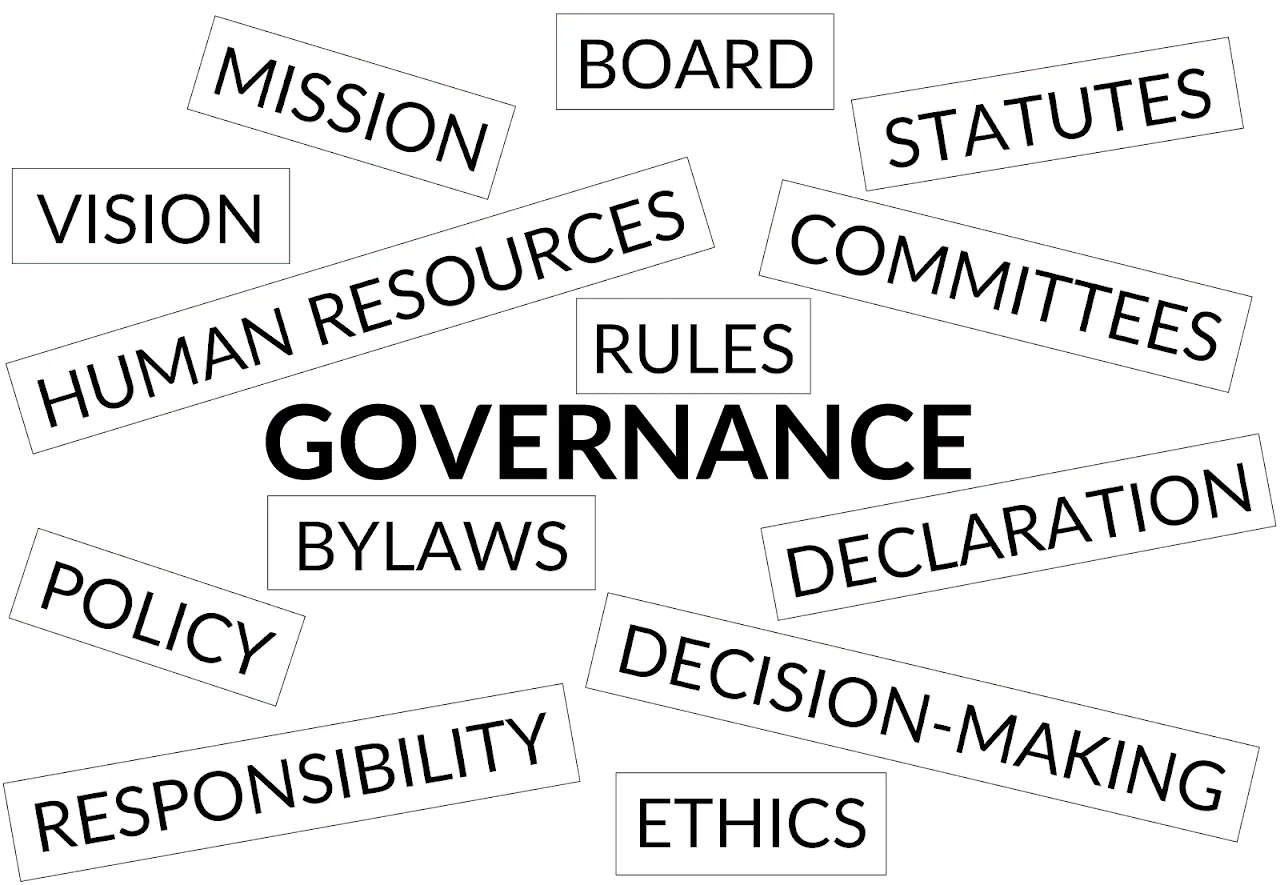
Some people enjoy learning and even thrive on it, sharing new insights with friends and neighbors all the time. That's the situation one can hope for in the CIC environment, but volunteering to serve your community isn’t always so easy. Sharing what you know about CIC governance (statutes, your declaration, bylaws, rules, policies, procedures and resolutions) is sometimes met with varying degrees of resistance. There’s nothing wrong with reasonable scrutiny. Even in the best case scenario with established trust, everyone should feel comfortable having the opportunity to question and verify when necessary. The sheer volume of knowledge and references that make up the complete governance for just one organization can be mind-boggling.
But what happens when that resistance takes a turn? For one reason or another, many adults take offense when their (lack of) understanding of CIC governance and/or actions contrary to that governance are challenged. Personal differences erupt in spectacular fashion. Alex’s example is extremely common: one or more Board members want to do or continue doing X, Y and Z notwithstanding the governing documents and statutes. Sadly and far too often, an “offended” party finds it convenient to shape the truth to make it seem like they are a victim in need of protection. A popular tactic is to complain about the way someone delivered the truth. Perhaps the delivery was too direct? Perhaps the truth-teller should have asked a question or attempted to gather consensus about a written fact? It sounds a bit absurd, but this scenario plays out all the time.
Offended truth receivers often resort to accusing truth-tellers of personally attacking them and undermining the group, when in fact their only “crime” is the request for compliance with unambiguous governance. With their own version of the truth in hand, offended parties grasp at straws to identify a lever to pull that will somehow satisfy their own self-serving desires to 'win', whatever that means. All of this comes at the expense of your community that would be best served by adherence to all of the relevant statutes and governing documents. Volunteer directors must move past their personal bologna and align around what’s best for your organization. Alex and many of his peers around the world constantly experience peer pressure to align with decisions that are convenient, rather than decisions that meet the requirements of the governing documents and statutes.
Every community will necessarily work through change and improvements. Reasonable human beings should be amenable, if not comfortable, with the necessity of reasonable conflict and debate to achieve a healthy organization. Participating in CIC governance asks that individuals set aside personal aspirations, biases, conflicts of interest and personal differences for the good of the order, but does not require anyone to pretend that they are indifferent to independent thought and the pursuit of what's best for the CIC above all else, even when doing so is not the popular choice. Governing your CIC is not a popularity contest.
In the 2018 Condo Law Handbook, attorney Ken Harer writes the following:
When a Board Member disagrees with the Board, they are not an adverse party. But if they “lawyer up,” sue, or threaten to sue, they become a party in opposition.
Are you an adverse party? Given what you've described, the answer is ‘NO.' You made an honest effort to get everyone to play in the same sandbox by the same rules. Some of your peers aren't keen to cooperate. If the directors who oppose you are truly content to disregard applicable statutes and your governing documents, they are in violation of their duty of care. Willful violation of one's duty of care exposes both your CIC and every Director who participates in such violation to liability. Moreover, these situations create unnecessary stress and anxiety, and waste time and energy that would be better spent serving the best needs of your CIC. The WA State Supreme Court beautifully summarizes a duty of care caution:
Discretion is not reasonably exercised when the procedures laid out in the governing documents and relevant statutes are not followed or when the information used in the decision-making process is not reasonably accurate.
So, what are your options?
- Educate: explain all this to the Board
- Escalate: to your association's manager and attorney
- seek mediation
You earned your seat on the Board. Don't allow yourself to be bullied because you're standing up for appropriate governance.
Save for time (an undervalued and misunderstood requirement of great leadership), substantially all of the resources homeowner leaders need to successfully navigate their tenure guiding their community are absolutely free. The real challenge, of course, is convincing 3 to 5+ unique individuals to educate themselves and to abide by ALL of your CIC's statutory and governing document requirements, including the thorny items like ethical codes of conduct.
Board members do not have the legal right to exclude Directors from conversations because they want to conspire to make decisions in private with a group of agreeable peers or to have "private" meetings to mask unethical practices. Those actions expose incredibly wayward leadership that needs an immediate course correction.

EVERYONE Gets a Shovel!
Sand Tools Image by PublicDomainPictures from Pixabay
Children in Sandbox Image by qimono from Pixabay