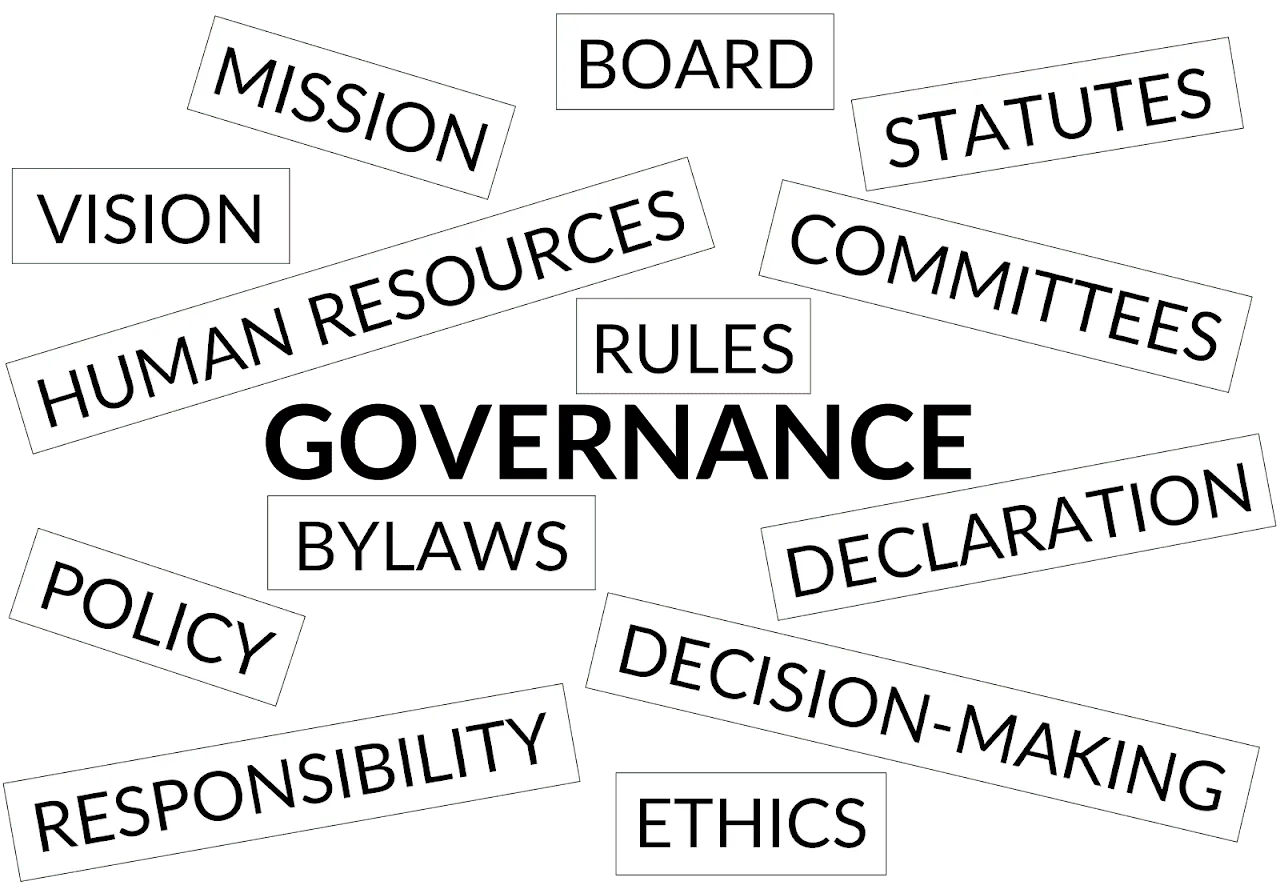

PUBLISHED: August 3, 2022 | By Steve Horvath
Ignoring these problems won’t make them go away. To the contrary, allowing poor governance to continue over an extended period of time only makes things worse and results in harm to your community in a variety of ways. Sometimes that harm requires investigation to thoroughly understand, but the amount of effort necessary to understand what’s wrong is irrelevant. Far too many associations find themselves in hot water when wanton governance and procedural errors become the norm.
Full blog document
ADVOCATE. PARTICIPATE. ESCALATE!
Lackadaisical enforcement and general concerns about honoring governing documents and ethics come up frequently in common interest communities (CICs). These are challenging topics that often lack an easy resolution.
Most reasonable CIC homeowners are not comfortable sitting idly by as their roads, hallways, landscaping and buildings visibly deteriorate, so why do homeowners allow obviously inappropriate governance and unruly neighbors to run rampant?

A few common situations continuously receive airtime in online forums:
- Unruly neighbors who refuse to reign in noise, vibration and noxious nuisances
- Unresponsive Board / staff / management
- Roofs, ceilings, walls, pipes, streets and more going unfixed for months or years
- Board / staff / mgmt refusal to reasonably enforce the governing documents
- Board / staff / mgmt refusal to disclose legally required records to members
- Unilateral decisions and actions by individual Board members
- engaging in contracts
- spending the association’s money
- having private conversations with the association’s attorney
- Making official decisions ‘off the record’ without an open meeting
- Conducting meetings without proper notice
- Failing to capture meeting minutes (Board decisions) appropriately
- Conducting business that should be open to members in executive session
- Failing to follow the procedures outlined by statute and governing documents
SOLUTIONS (also see Get Help!)
- If you have a concern with a neighbor, consider letting them know.
- Politely informing your neighbor(s) of your concern, in writing, can be a great first step.
- N.B. Many declarations / CC&Rs include language supporting a right of action by any aggrieved owner against any other owner who fails to comply with the governing documents.
- CRITICAL NOTE: volunteer directors, staff and management must understand the difference between neighbor-to-neighbor disputes and violations of the governing documents that deserve due diligence, investigation and resolution by your association
- Bring challenges to light during the homeowner’s forum at a Board meeting.
- The opportunity for public homeowner comment is not only a best practice, but is also mandated in multiple states.
- Provide examples and keep your comments on point. Send a written summary to the Board and to your community manager.
- Is one voice not enough? Consider coordinating with your neighbors to ratchet up the volume (literally and figuratively).
- The opportunity for public homeowner comment is not only a best practice, but is also mandated in multiple states.
- Send a strongly-worded letter!
- Concurrent with this blog article, Condo Connection has released an example record disclosure demand letter. This templated approach often delivers results by keeping the request explicit and citing unambiguous statutory language.
- You should direct letters to your association’s Board, management company and attorney / law firm.
- Send all demand letters via certified mail.
- If a letter directly from one or more owners does not have the desired effect, consider retaining an attorney to submit a follow-up letter. You should be able to get a letter delivered for under $1,000.
- Consider garnering media attention like this.
- Finding your way to a Board seat sometimes takes significant determination and may not be the easiest of all approaches, but usually ensures your voice is consistently part of the decision-making process even in times of adversity.
- Holding a volunteer director position allows you to shape meeting agendas and drive change including, among other things, restating your governing documents to adopt more precise and reasonable language.
- Recall (remove from office) some or all of your current Board members:
- Nearly every state has statutes (nonprofit corporation and/or CIC-specific) outlining how to recall Board members from office. Typically, a special meeting of members (requiring a specific threshold (10%, 20%, 30% etc.) of allocated interest to properly organize) is called for the purpose of the recall and subsequent election of new directors.
- Recalls require either a simple majority or supermajority (depending on your governance) of attendees in person or by proxy to remove current directors from their seats.
- Volunteer directors (Board members) cannot be removed from their positions as directors by the Board itself, but might automatically resign for violating good standing provisions in your governing documents.
- Unfortunately, the aforementioned approaches are sometimes not enough to change a narrative written by recalcitrant individuals who will accept nothing less than doing things their way.
- Certain states like Nevada and Delaware have an ombuds office to assist with CIC questions and disputes. Visit Get Help! for the complete list.
- Mandatory dispute resolution clauses have been adopted more frequently by CICs over the past decade. View an example in Ideas for your Declaration: Language to Live By.
- Internal Dispute Resolution (IDR) is required by law as a first step in California as a way to alleviate pressure on the legal system.
- Alternative Dispute Resolution (ADR) can save an incredible amount of time and money. ADR is another term for non-binding mediation.
- Many states and counties have resources to help identify mediators. Example: Massachusetts
- Some CAI chapters offer low-cost, fixed fee ADR. Examples: GLAC, WSCAI, Long Island
- Arbitration typically follows mediation and can be binding or non-binding. Binding arbitration waives the right to file suit in court. Arbitration is more expensive and time-consuming than mediation, but still significantly less expensive and less onerous than filing suit
- Lawsuits numbering into the thousands, spanning myriad topics have been initiated over the course of the last five plus decades by CICs, their homeowners and by developers in nearly every jurisdiction across the United States.
- Option 1 - Small Claims Court: If you’re seeking a relatively modest amount (generally $10,000 or less) of monetary relief, filing a small claim (where attorneys do not tread) can be a great option.
- Example: CA Civil Code Reference § 5930
- Option 2 - Litigation: If seeking declaratory, injunctive and other types of relief, traditional litigation is your expensive, time-consuming path to success.
- Option 1 - Small Claims Court: If you’re seeking a relatively modest amount (generally $10,000 or less) of monetary relief, filing a small claim (where attorneys do not tread) can be a great option.
- Get out! Selling your property and moving somewhere seems like a last resort, but it might actually be:
- easier
- more cost effective
- less mentally and emotionally traumatic than some of the aforementioned solutions.
- Change the law. Get involved with HOA United.
QUOTES
- The unwritten rule for everything is that if nobody notices or knows you broke the rule, there will probably be no consequences. - Barbara (CAM)
- ...a board member's North Star is found in the answer to a simple question: "What is best for the community?"
If board members focus on that, their jobs become relatively straightforward. They don't make decisions based on their own personal interests or the interests of their friends or neighbors. They don't make decisions based on what's least likely to create conflict or controversy. They don't make decisions based on what's expedient or easy… - Steve Spannier in Follow your North Star
- There's no meaningful government oversight of CICs.
- Even when there are state laws that limit the power of an HOA, it is up to the homeowners to know the law and enforce it through civil courts.
- The only way for an individual homeowner to hold a management company or Board accountable for violating the governing documents or state laws is to sue them. Most people are not going to do that.
- If enough homeowners get together they can vote out a bad board and fire the bad management company. Most people are also not going to do that.
- Most of the time there are no provable damages. There's no measurable harm.
- There aren't really any consequences for not doing the right thing.
CONCLUSION
Organizations only realize their full potential when they change from the inside out. How will you drive change in your community?
READ: 7 Steps of Common Interest Community Escalation and Get Help!
If you’ve enjoyed this article, you might also like to read Candid Interview: Community Association Manager Insights.
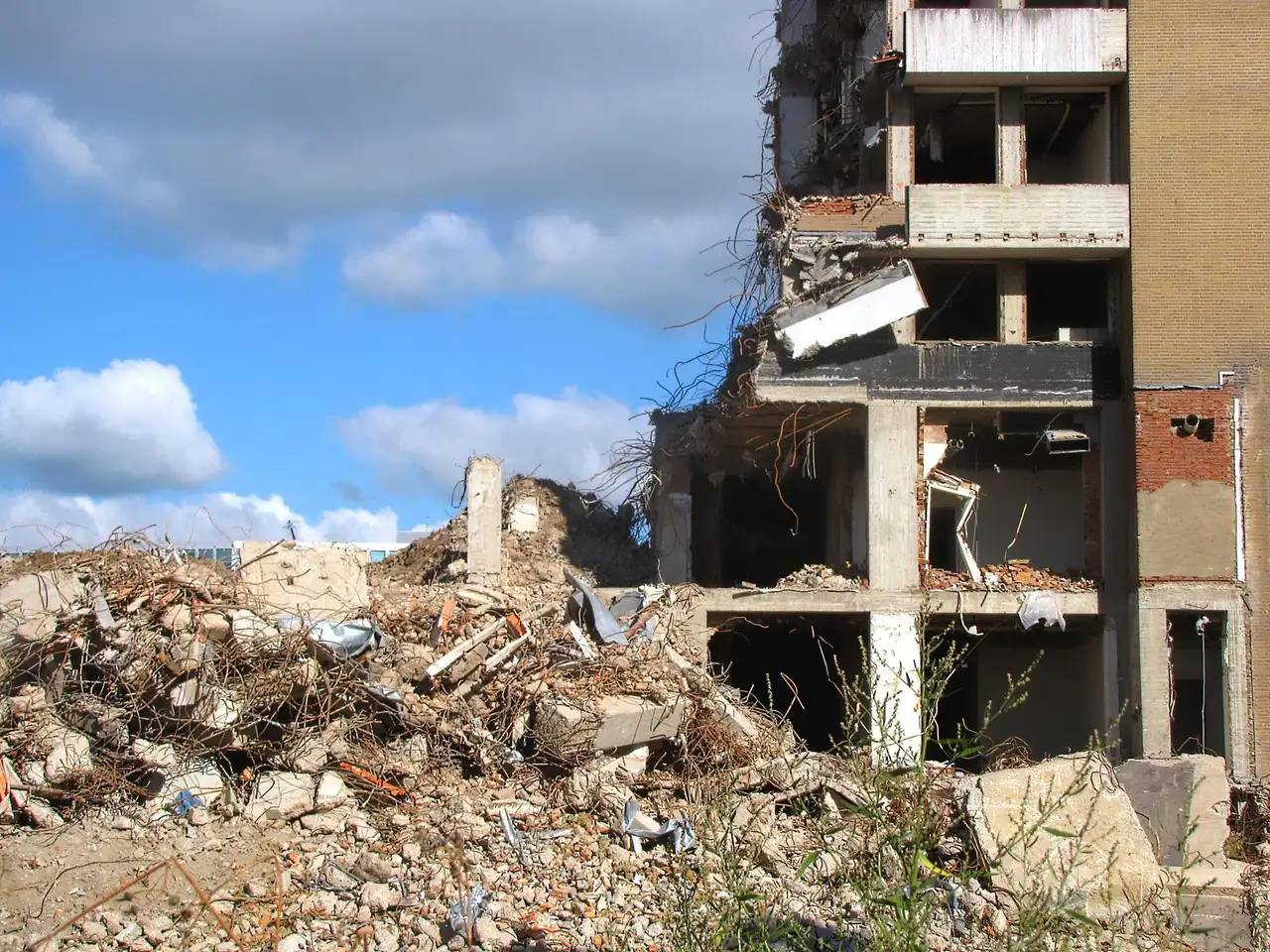
Don’t Ignore
Governance Gone Askew
Address the Mess!
Kermit image by Alexa from Pixabay
Mouse and Dynamite image by Rheo from Pixabay
Building Rubble image by (Joenomias) Menno de Jong from Pixabay
CIC Escalation Paths drawing
Common Interest Community (CIC) Escalation Paths - Get Help!